
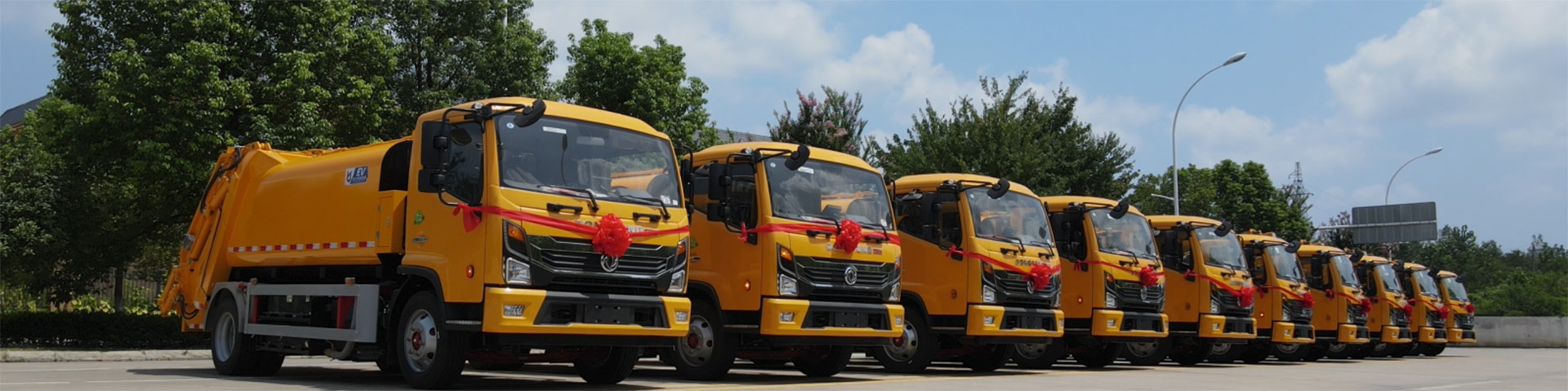
Traditional firefighting equipment often focuses on maximizing a single function, and in complex disaster scenes, this "single point rescue" mode is no longer sufficient to cope with changing situations. The R&D leader of Kaili Automobile Group pointed out that "modern rescue sites not only require high-performance single point equipment, but also require intelligent systems that can respond quickly and coordinate operations.
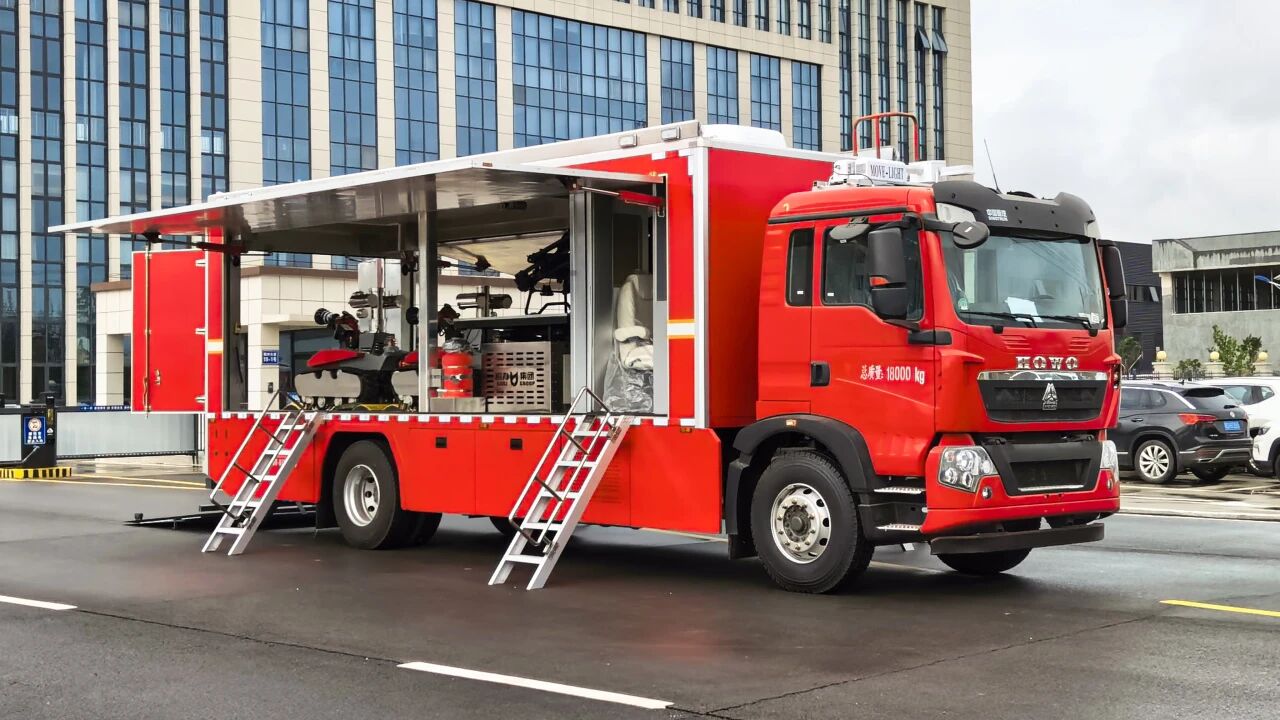
This orientation is the blueprint for the development of Kaili products. Its air ground integrated AI unmanned fire extinguishing comprehensive rescue vehicle deeply integrates unmanned aerial vehicle precision strike with robot ground strong attack close combat, building a mobile command and combat unit; The modular separation design of the mother child drainage emergency vehicle enables the extension of power and flexible deployment in complex disaster sites. These practices are the concrete implementation of the top-level design of "promoting the strategic transformation of emergency rescue from passive response to active support, and from traditional experience mode to modern high-tech mode".
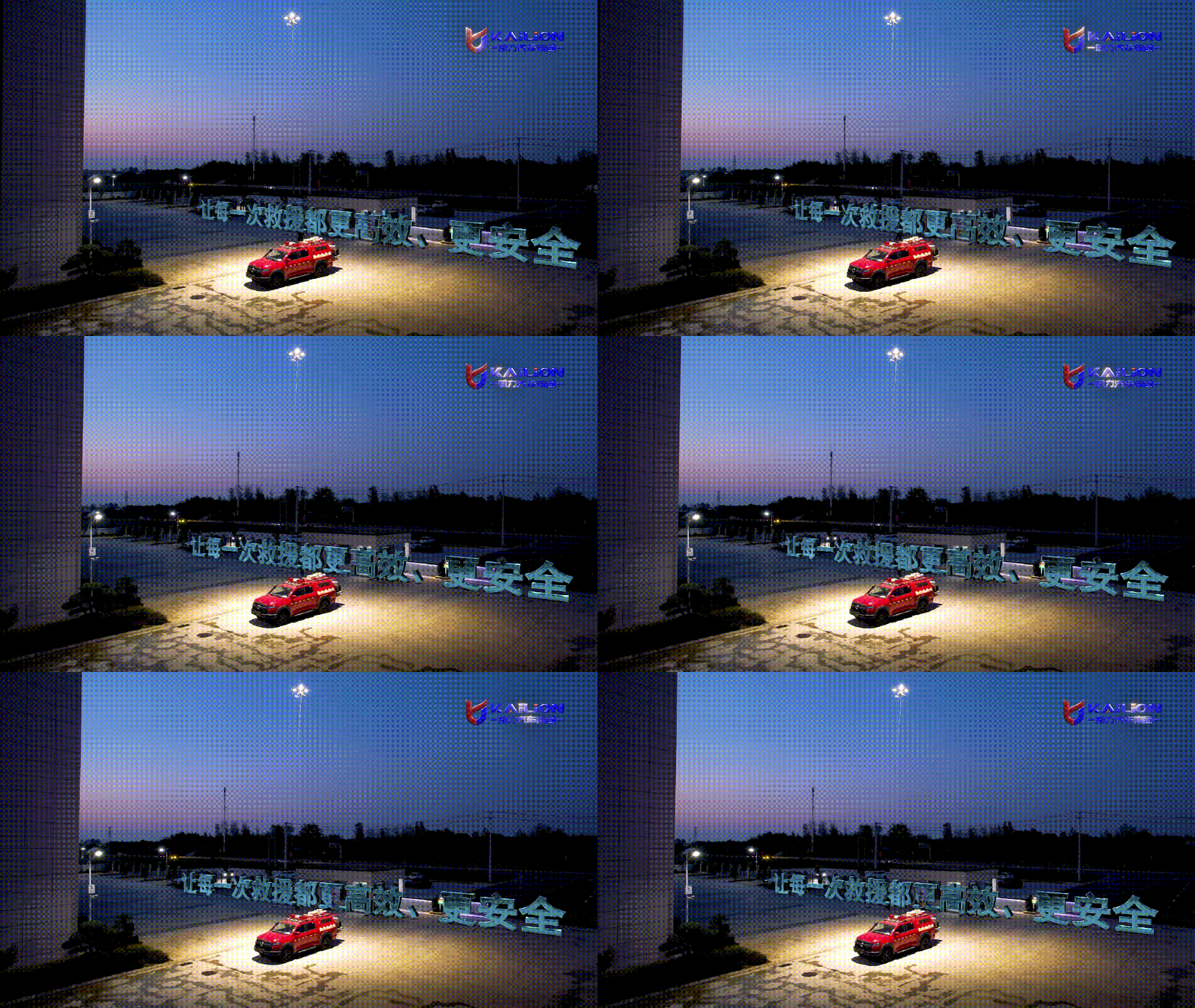
In the field of smart firefighting, the value of technological innovation lies in solving practical pain points. The new product matrix launched by Kaili this time is a concentrated embodiment of this pragmatic wisdom. Taking the tethered drone lighting vehicle as an example, by using tethered power supply technology, the problem of short endurance time of traditional drones can be solved, and 24-hour uninterrupted hovering operation can be achieved.
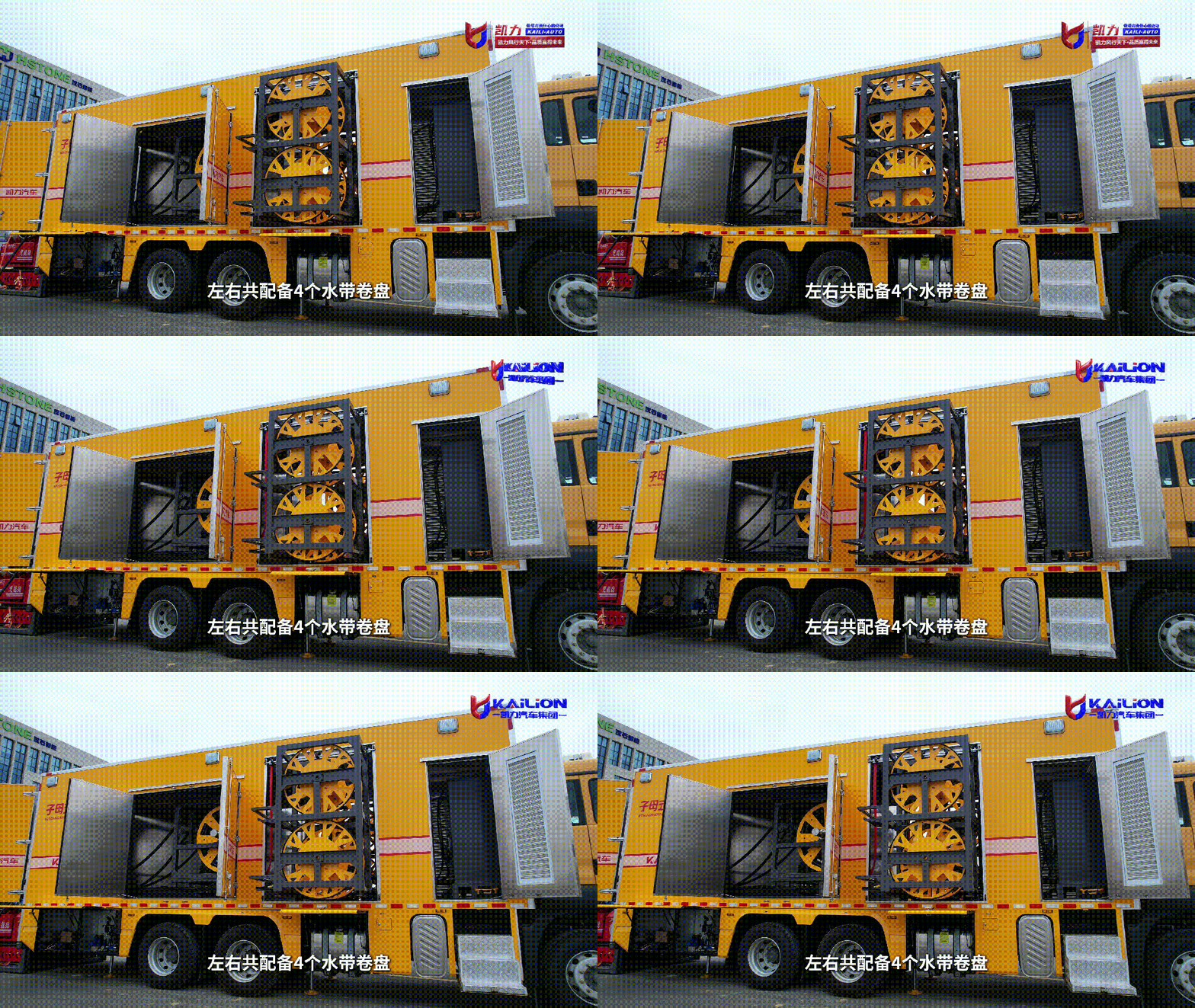
Facing the challenge of the "last mile" of urban waterlogging rescue, the "mother child drainage rescue vehicle" achieves independent operation of the child vehicle by separating from the mother body and penetrating into narrow areas. Its remote control function further ensures the safety of rescue personnel. At the same time, the "pure electric multifunctional fire truck" not only responds to the call for "green emergency" with its zero emissions and high maneuverability, but also becomes a sensitive contact point for connecting community fire terminals. Kaili's new emergency firefighting equipment truly enables intelligent technology to serve practical needs and make complex operations simple and reliable.
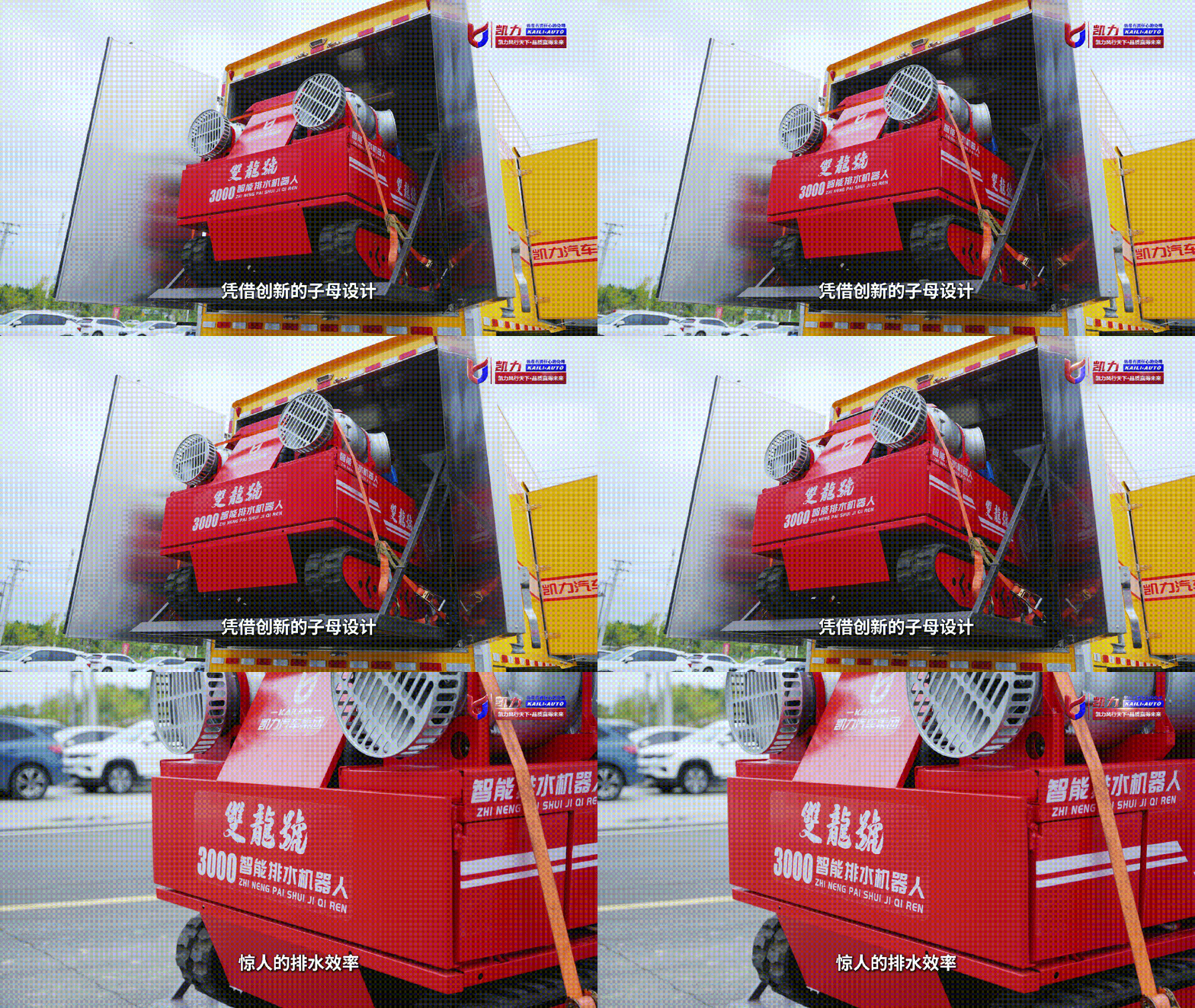
Kaili is able to quickly establish combat effectiveness in the field of emergency firefighting, thanks to its profound technical accumulation and industrialization capabilities in the field of specialized vehicles. More importantly, its development path coincides with demonstration projects such as the "Emergency Robot Pilot Application" being promoted by the Ministry of Emergency Management, aiming to promote the practical application of advanced and applicable equipment in actual combat.
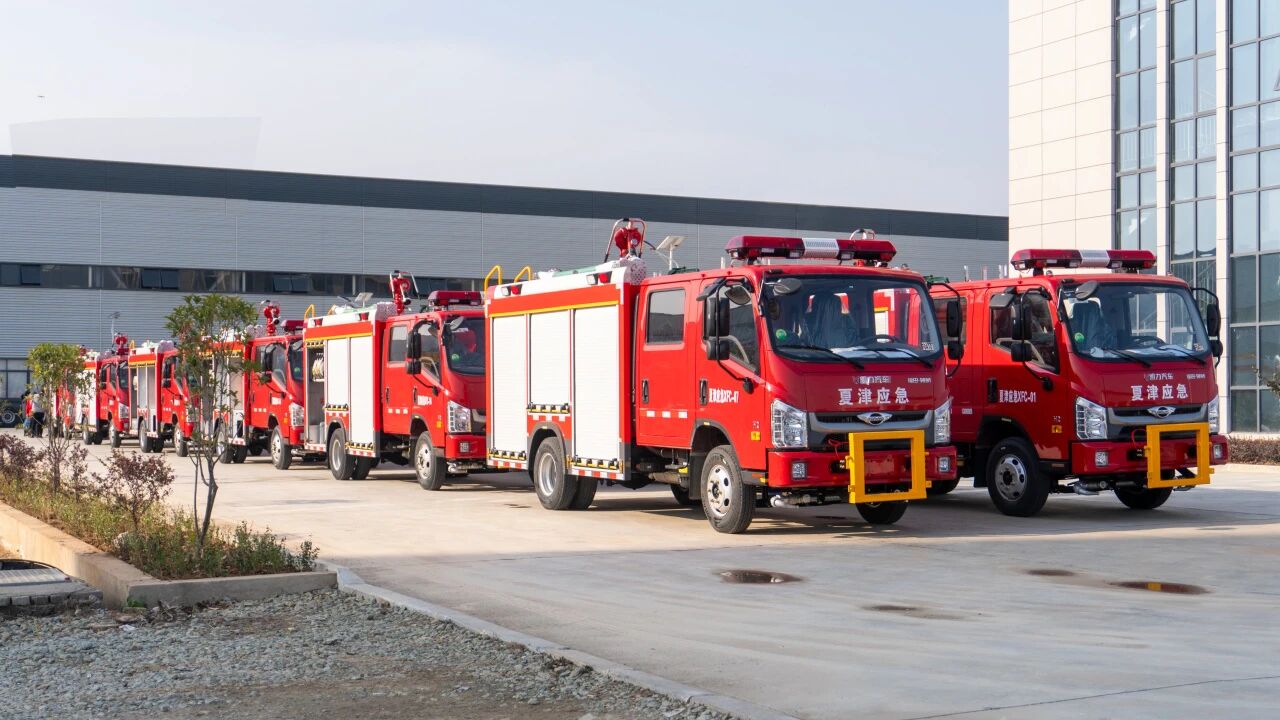
Relying on the geographical advantages of the "National Emergency Industry Demonstration Base" in Suizhou City, Kaili has built a diversified product line covering detection, fire extinguishing, rescue, drainage, and security. From batch equipment that meets grassroots basic needs to customized solutions for special complex scenarios, Kaili's product strategy always revolves around "practical needs". This market-oriented R&D model enables it to quickly respond to policy changes, take the lead in the wave of emergency equipment upgrading supported by trillions of treasury bond, and transform from an equipment manufacturer to an integrated solution provider.
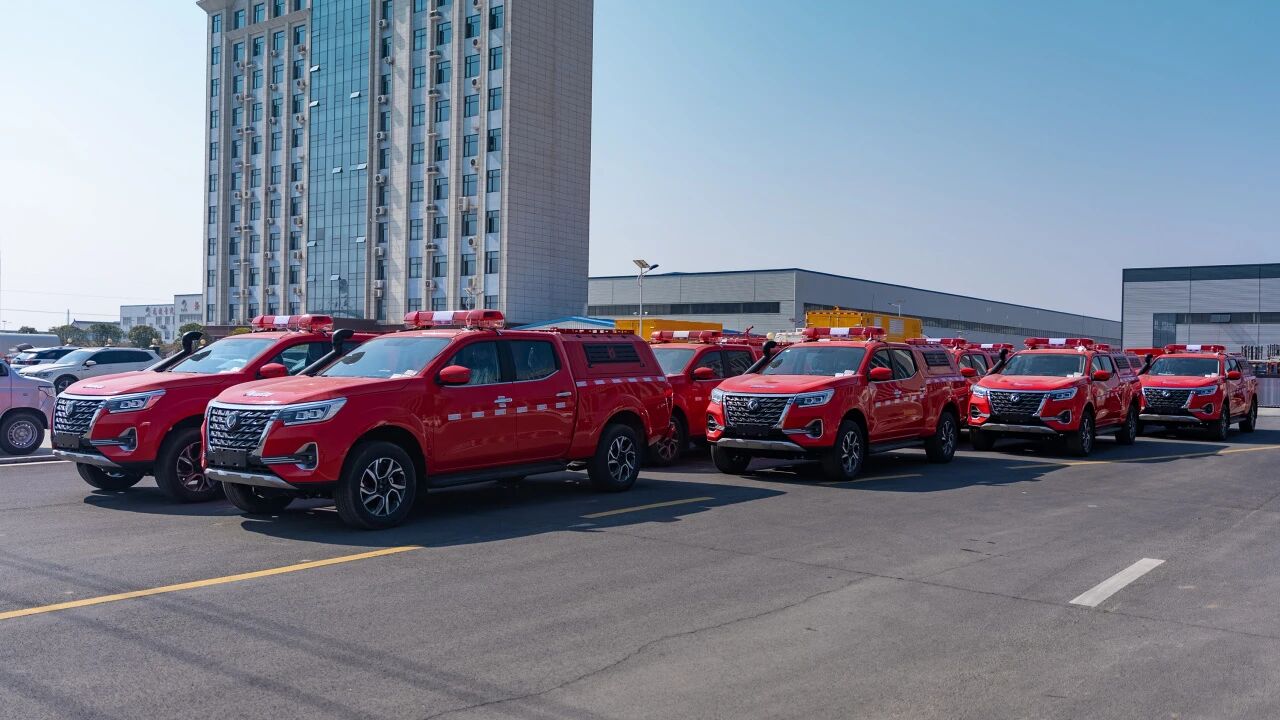
Looking ahead to the future, the competition in emergency rescue systems will be an ecological competition. In this ecosystem, each equipment is an intelligent node in the network, forming a "1+1>2" combat effectiveness through data sharing and collaborative control. In the future, autonomous collaboration between different equipment can be achieved, making rescue operations more precise and efficient.
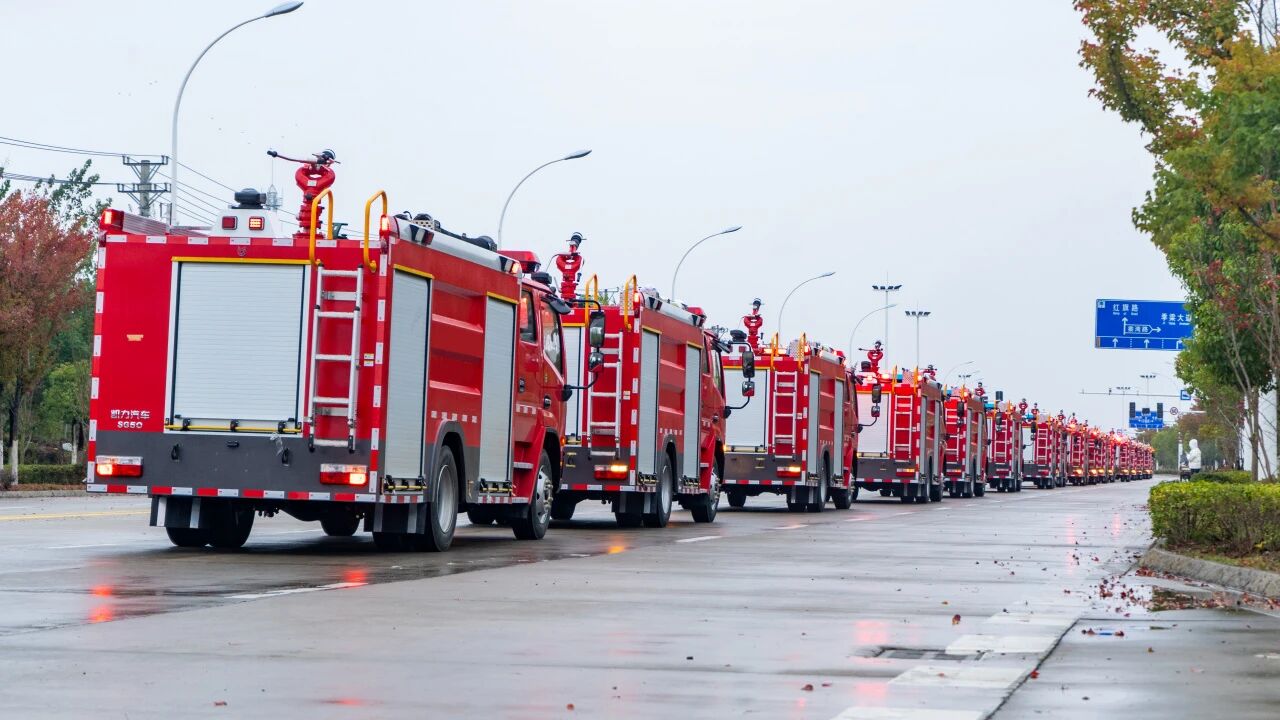 From the new product matrix at the fire exhibition booth to the future layout of smart factories, the development path of Kaili Automobile Group confirms an industry truth: the ultimate value of smart fire protection lies not in pursuing cutting-edge and cool technology, but in using pragmatic innovation to build a more solid defense line for life safety. When technological innovation truly serves frontline needs, and when intelligent equipment is integrated into an organic whole for collaborative combat, smart firefighting can truly enter the practical depth of safeguarding people's livelihoods.